
Chemicals and Materials
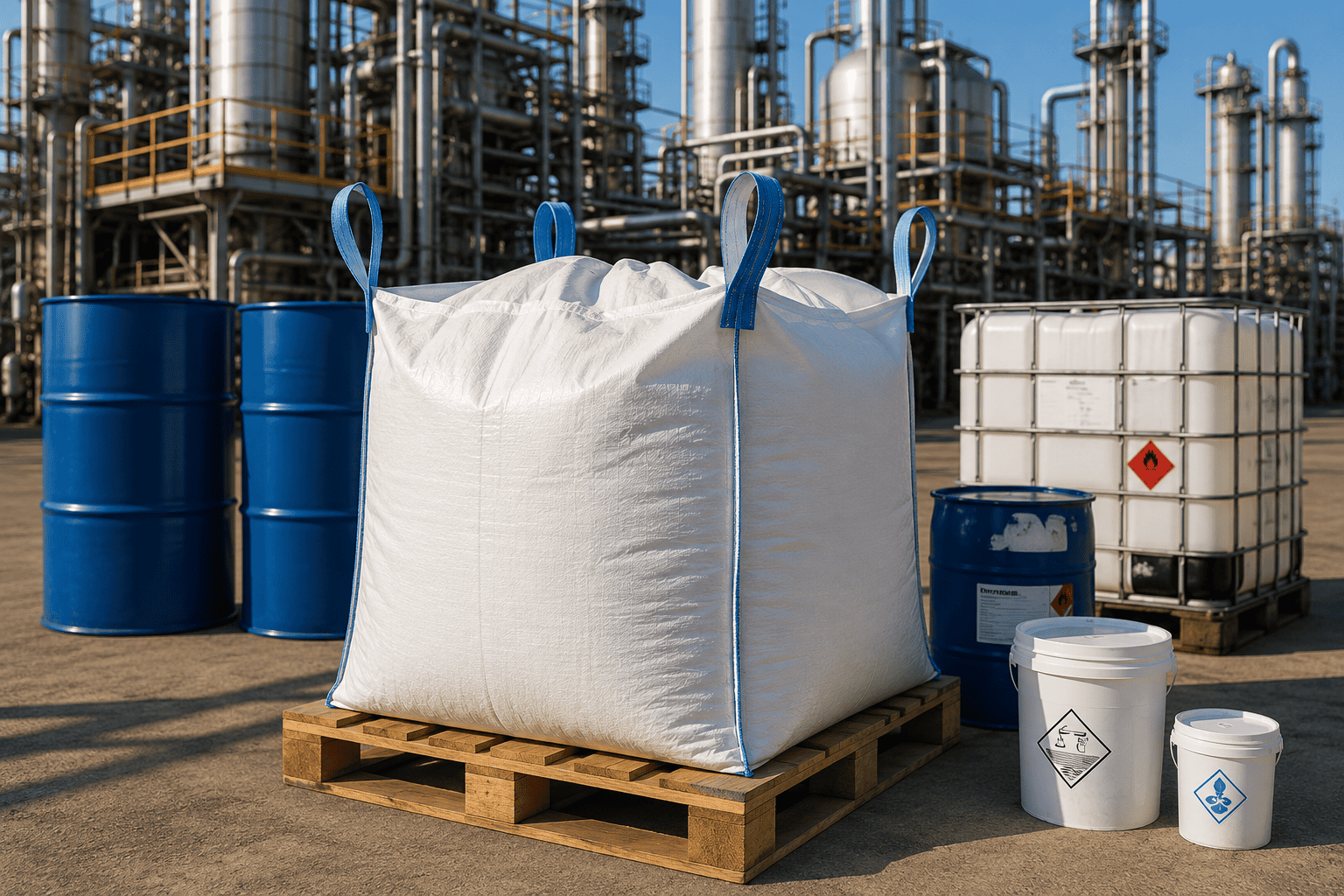
Chemical packaging has to carry the weight, keep dust in, keep contamination out and pass inspection. We make FIBCs in Calgary under an ISO 9001:2015 quality system. That means consistent bags, documented specs, and a supplier who answers the phone.
We supply UN rated bulk bags for dangerous goods, Type C and D bags for combustible powders, and lined bags for fine or moisture-sensitive products. We also build covers and tarps that keep totes, pallets and equipment dry.
Not sure which bag you need? Send us your SDS.
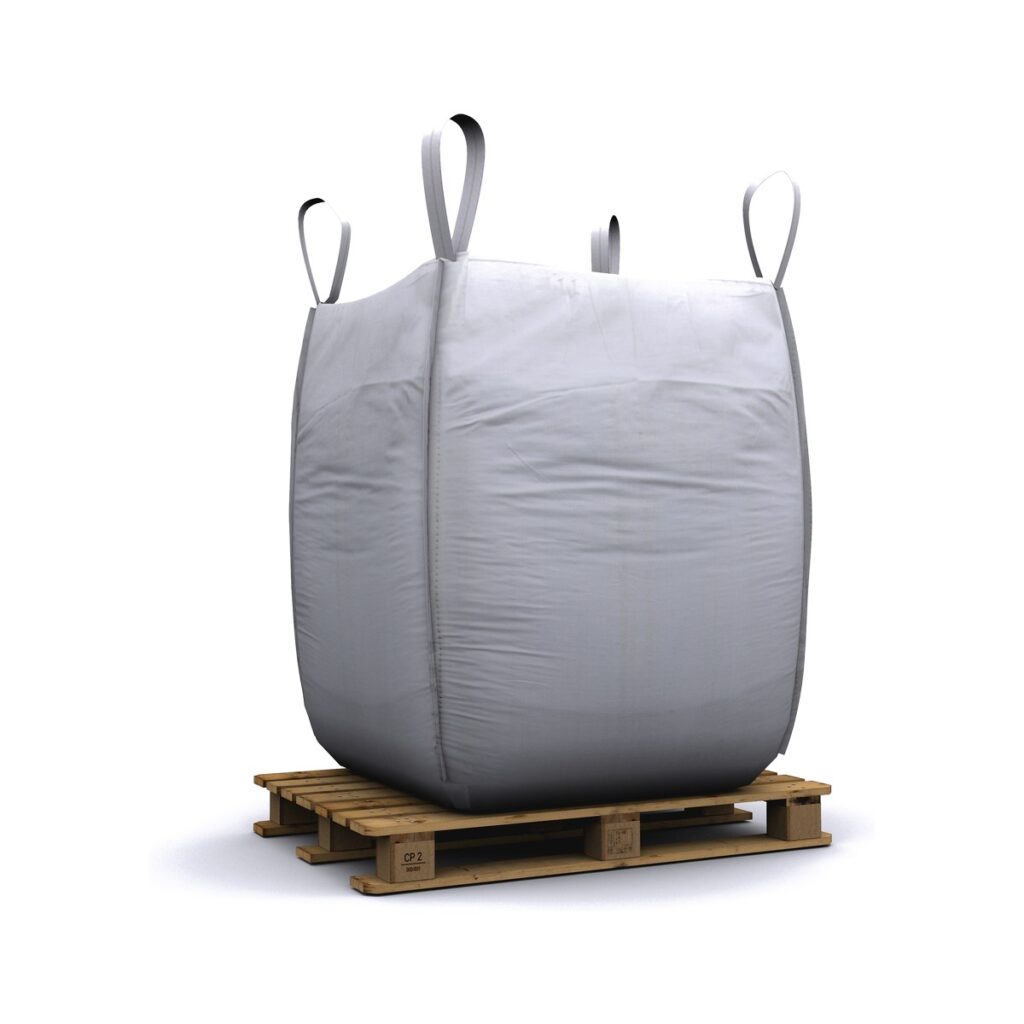
FIBC Bulk BagsType A to D, 24 x 24 to 42 x 42 in footprintsMade in Canada and imported
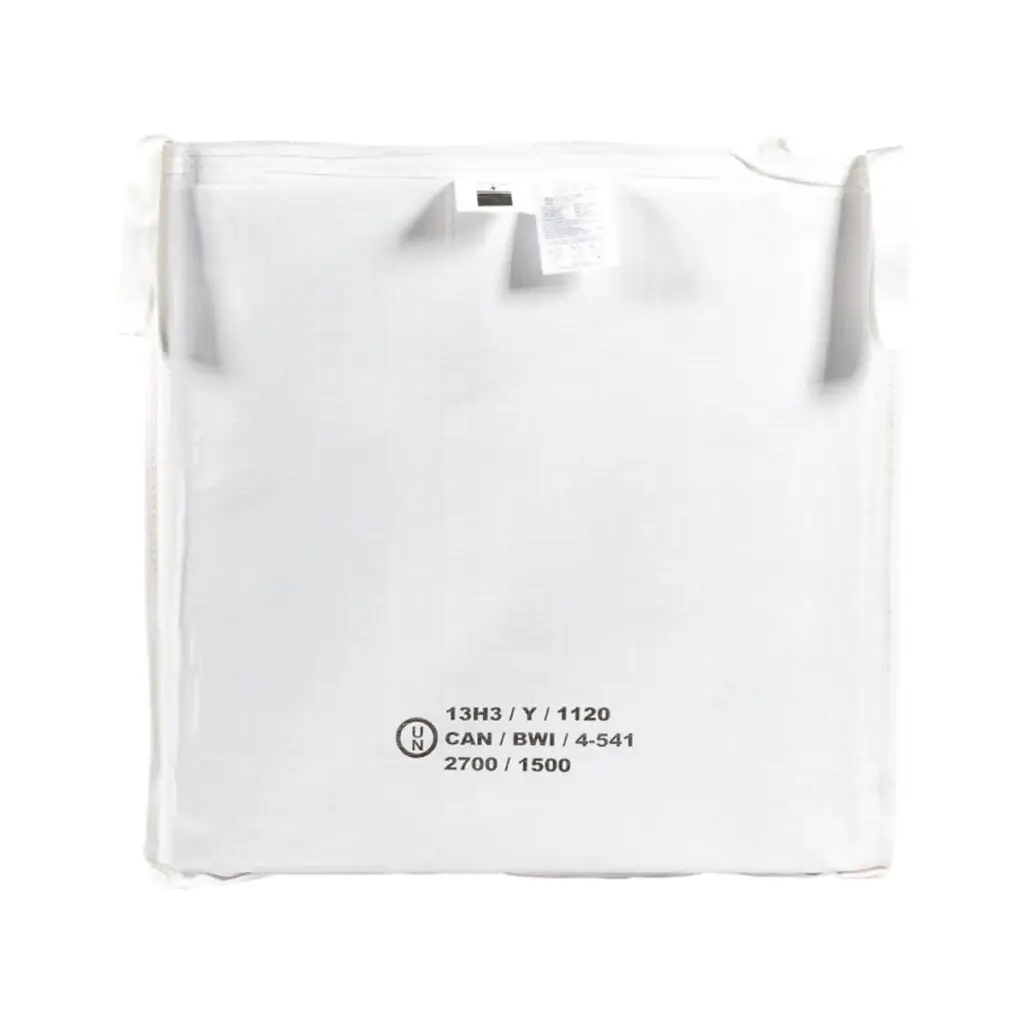
UN Rated Bulk BagsFor dangerous goods and contaminated wasteMade in Canada and imported
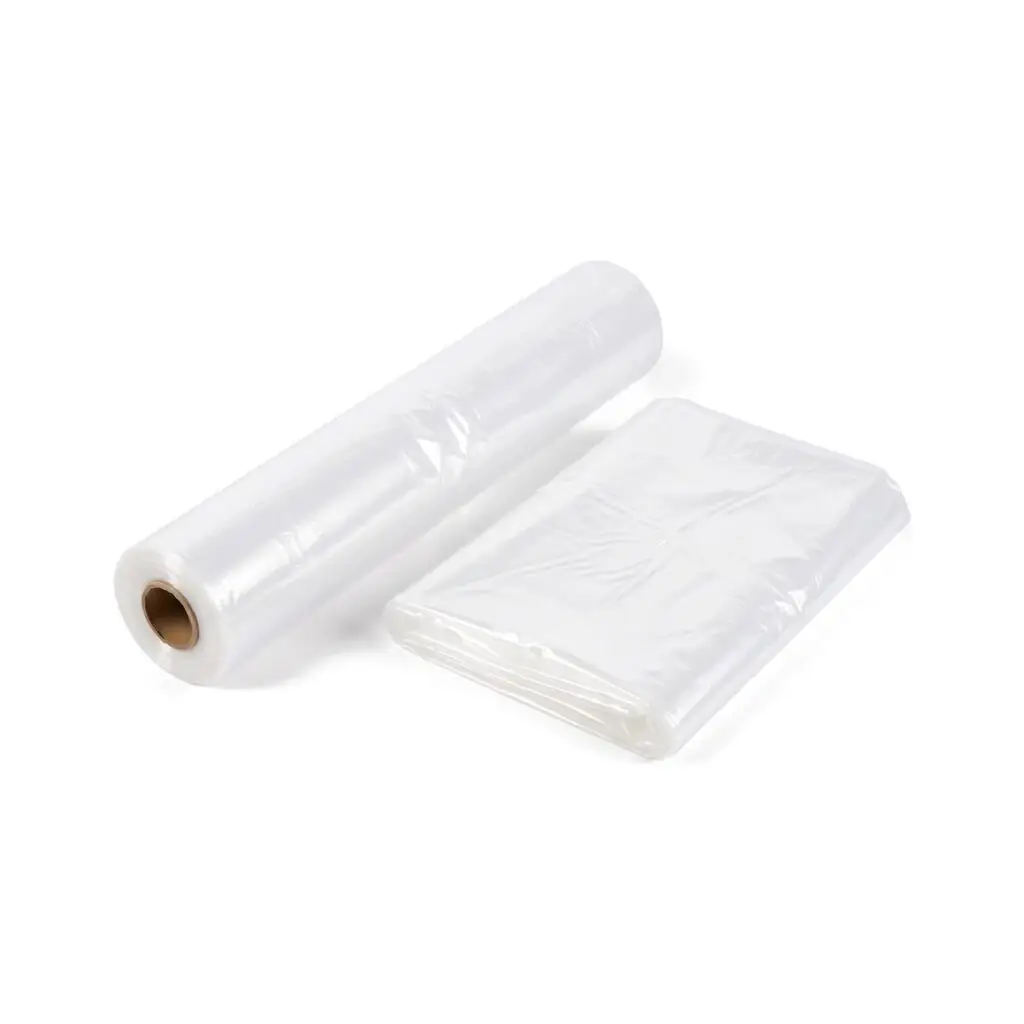
PE Liners and Pallet Covers3 and 6 mil, loose, tabbed or sewn-inDistributed by BWI
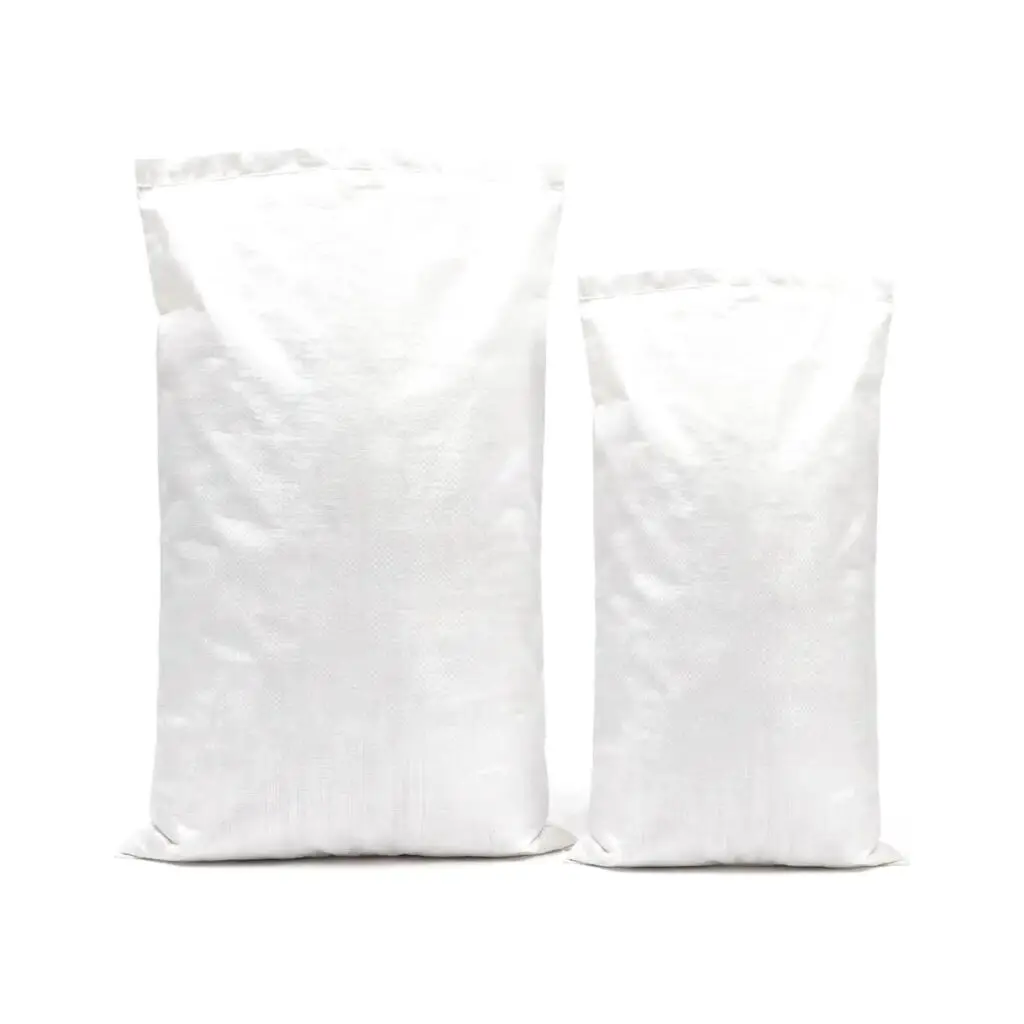
Woven Polypropylene BagsStocked from 12 x 30 to 26 x 40 inDistributed by BWI
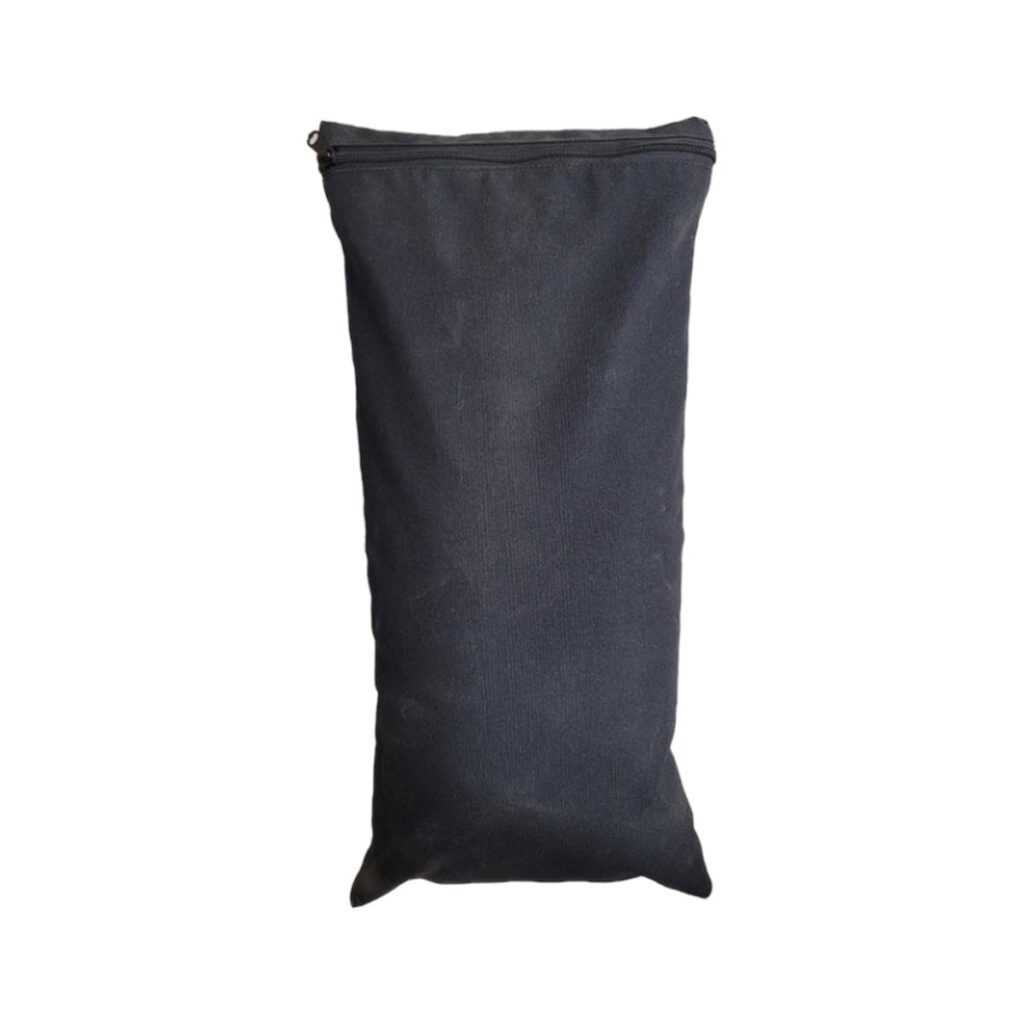
Industrial Woven BagsCustom sizes, coatings, liners and closuresMade in Canada
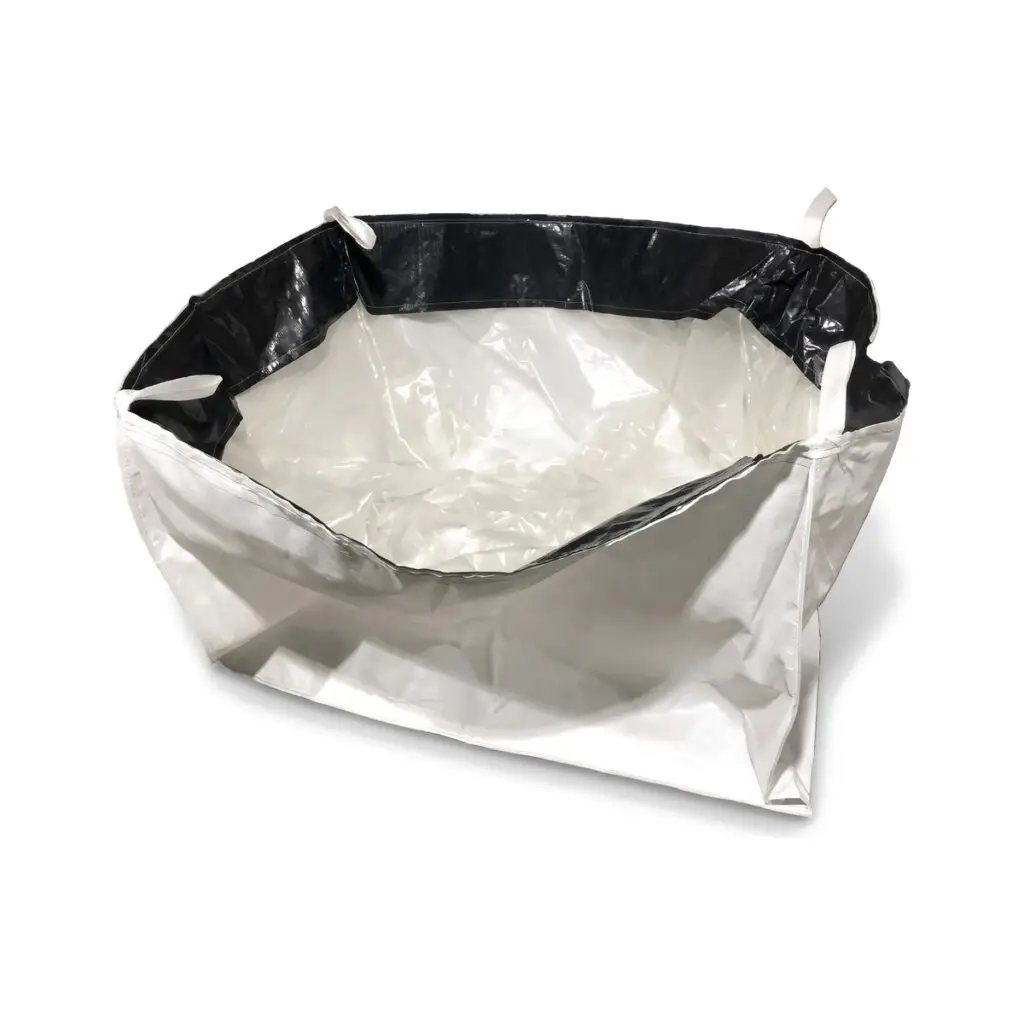
Waste Packaging and Bin LinersHazardous and general waste containmentMade in Canada and imported
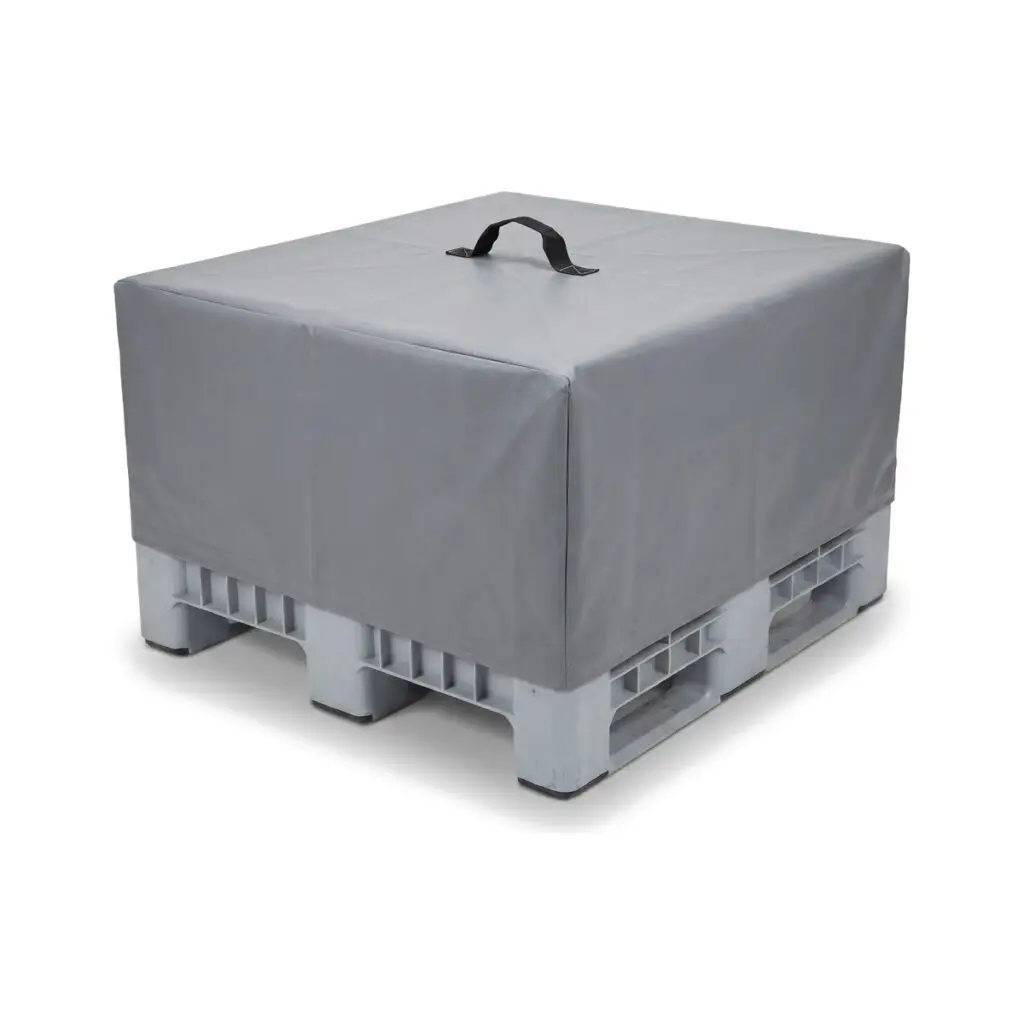
Containment and Equipment CoversCovers for equipment, totes and palletsMade in Canada
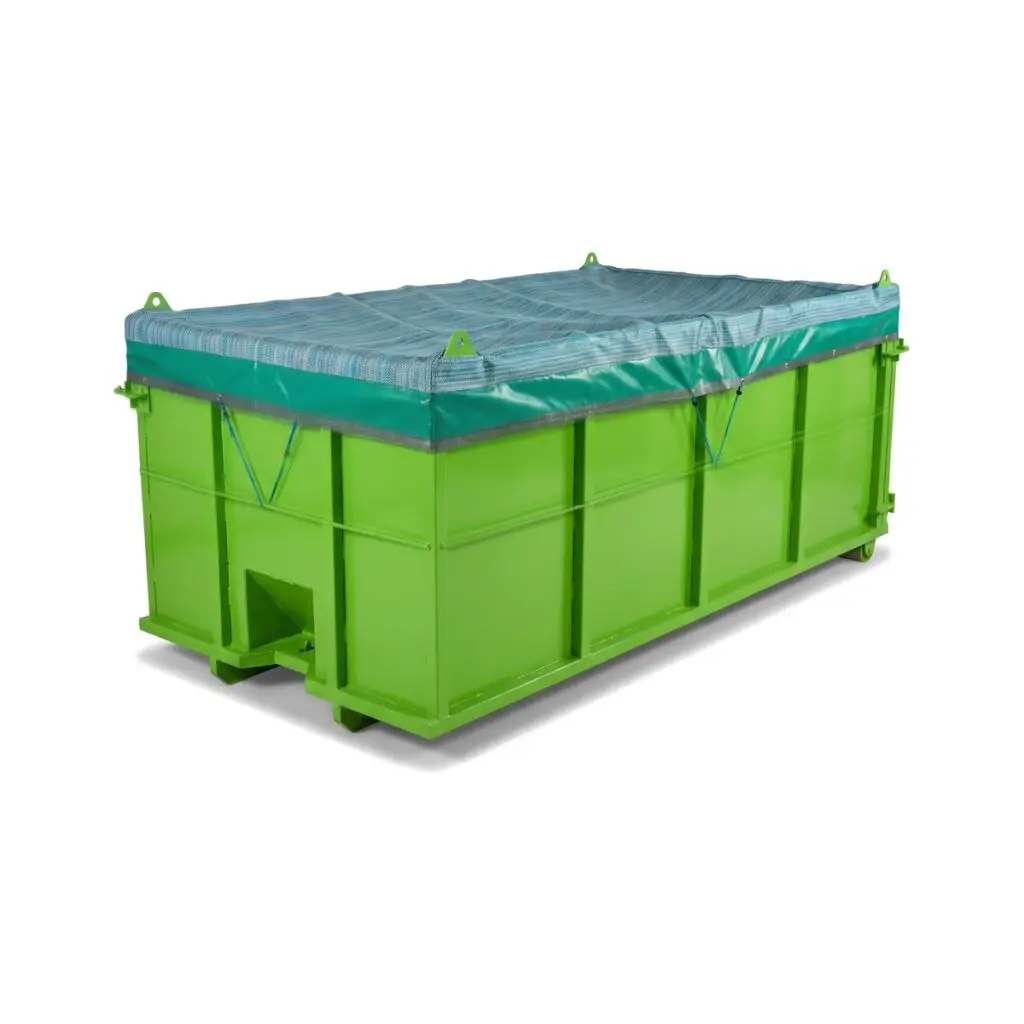
Custom Tarps and CoversMade to order in CalgaryMade in CanadaWhat our customers package
UN rated FIBCs are designed and tested to meet hazardous material transport regulations. They go through drop, topple, vibration and stacking tests for the safe handling of regulated chemical products.
Many chemical products need a PE liner to protect against moisture, oxygen or cross-contamination. Liners also contain fine powders and prevent sifting.
Conductive (Type C) and static-dissipative (Type D) FIBCs are used when handling combustible powders, or where a static discharge could be an ignition risk.
Common sizes range from 35 x 35 x 35 in to 40 x 40 x 60 in, depending on product density, flow characteristics and weight.
Coated bags with internal baffles or PE liners prevent dusting, sifting and moisture getting in. Sift-proof cording systems also help control dust.
It depends on the bag’s safety rating, its condition and the application. Many chemical applications require single-use bags because of contamination or regulatory rules.